
 Re BOOK ALERT: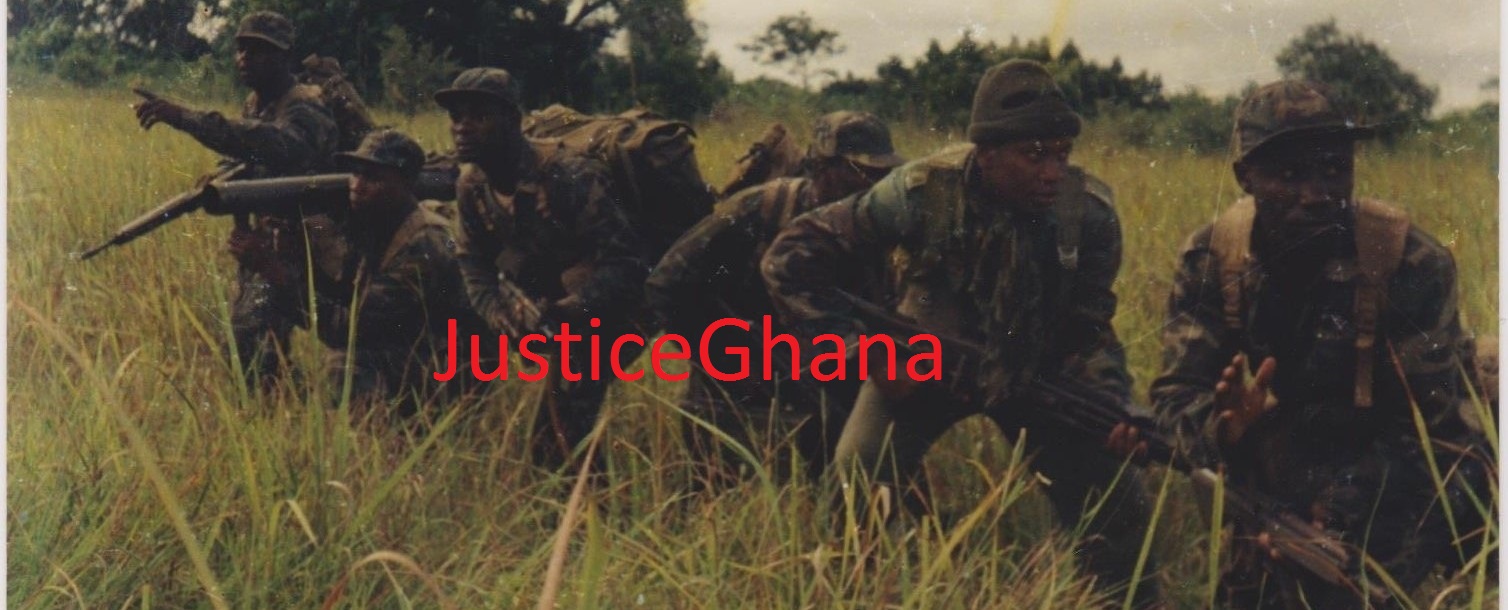
Welcome
....to JusticeGhana Group

JusticeGhana is a Non-Governmental [and-not-for- profit] Organization (NGO) with a strong belief in Justice, Security and Progress....” More Details
WASSCE: Mfantsipim, Achimota, PRESEC, Aburi Girls Schools OUT Of Top TEN (12)

- Details
- Category: The NoticeBoard
- Created on Wednesday, 26 March 2014 00:00
- Hits: 5079
WASSCE: Mfantsipim, Achimota, PRESEC, Aburi Girls Schools OUT Of Top TEN (10)
The Mount Carmel Girls’ Senior High School in the Brong Ahafo Region topped the 2013 West Africa Senior School Certificate Examination (WASSCE) by scoring 100 per cent in the examination.
The school was followed by Wesley Girls’ Senior High in Cape Coast which had 99.60 per cent and the Tepa Senior High School, with 99.55 per cent placed third.
According to the rankings compiled by the Statistics, Research, Information, Management and Public Relations (SRIMPR) Division of the Ministry of Education, all the 56 candidates presented by the Mount Carmel SHS had between A1 and C6, giving the school a 100 per cent score.
However, in the case of the Wesley Girls’ SHS, 741 out of the 744 candidates it presented for the exam had between A1 and C6, thereby scoring 99.60 per cent.
The rankings of the performance of the schools also indicated that the Koforidua Senior High Technical School with 99.39 per cent took the fourth place. Kade Day Senior High Technical School scored 99.34 per cent in fifth place and the St. James Seminary had 99.29 per cent and placed sixth.
Adisadel College
The Adisadel College took the seventh place with 99.05 per cent. Maranatha Business SHS took the eighth place with 99.02 per cent while the St Francis Xavier Seminary took the ninth place with 98.99 per cent and the Ghana Lebanon Islamic SHS placed 10th with 98.73 per cent.
In 11th place was St. Augustine’s College (98.69 per cent); Abetifi Presby SHS (98.63 per cent), 12th; Archbishop Porter Girls’ SHS (98.54 per cent), 13th; St Roses SHS (98.48 per cent), 14th; Okomfo Anokye SHS (98.41 per cent), 15th; Islamic Girls’ SHS (98.32 per cent), 16th; Holy Child SHS (98,18 per cent) 17th; St. John’s SHS (97.94 per cent), 18th; Serwaa Kesse Girls’ SHS (97.77 per cent), 19th and Opoku Ware SHS (97.69 per cent), 20th.
Top schools including Mfantsipim School, Aburi Girls’ SHS, Presbyterian Boys’ SHS, Prempeh College, Accra Academy and Achimota School placed 39th 44th, 52nd, 54th, 59th and 78th respectively out of 716 schools.
Source: Daily Graphic
 No comments
Prez Mahama’s Free SHS Promise Is A Fallacy - NAGRAT
- Details
- Category: The WorkShop
- Created on Monday, 03 March 2014 00:00
- Hits: 5612
 Prez Mahama’s Free SHS Promise Is A Fallacy - NAGRAT
Despite the serious challenges dwindling Ghana’s economy, President Mahama has promised to implement the free Senior High School policy before his tenure comes to an end. He made this bold statement when he addressed the nation some few days ago.
Several arguments have germinated out of the promise; whilst some political parties have claimed ownership of free SHS, some members of NAGRAT, are worried the president’s promise would never see the light of the day.
The Financial Secretary for the National Association of Graduate Teachers, Seth Oduro Boadu told Peace FM News that when it comes to implementing such projects, there is a need for government to provide a blueprint which could serve as a guideline.
He argued that there was no need for President Mahama and his team would be jumping the gun if they rush to implement the project without a blueprint. According to him, serious consideration should be given to the project if government has the intention to do it.
“It is easier said than done. It is a good thing for President Mahama to prepare the way for free SHS, but if there is no money, it will end up as a fallacy. Government hasn’t laid a firm foundation for the process and its attention must be drawn to the fact that without those ingredients, it will be extremely difficult to implement the project.”
“Our three regions in the North currently enjoy free education but early this year, government has stopped pumping grants needed to drive the project forward. Headmasters in the region have come out threaten government that if the grants are not paid, they would withdraw their services.”
Here Lies the Question To Government
“If out of ten regions government cannt provide for just three, how can we trust it to service the remaining seven well? Things must be done well before the talk about free SHS comes up. There is no blueprint to demonstrate how it would be implemented”, Mr. Boadu added.
Source: Chris Joe Quiacoe/Peacefmonline.com
GYEEDA: A Ticking Mental Health Time-bomb?
- Details
- Category: The WorkShop
- Created on Saturday, 15 February 2014 00:00
- Hits: 6985
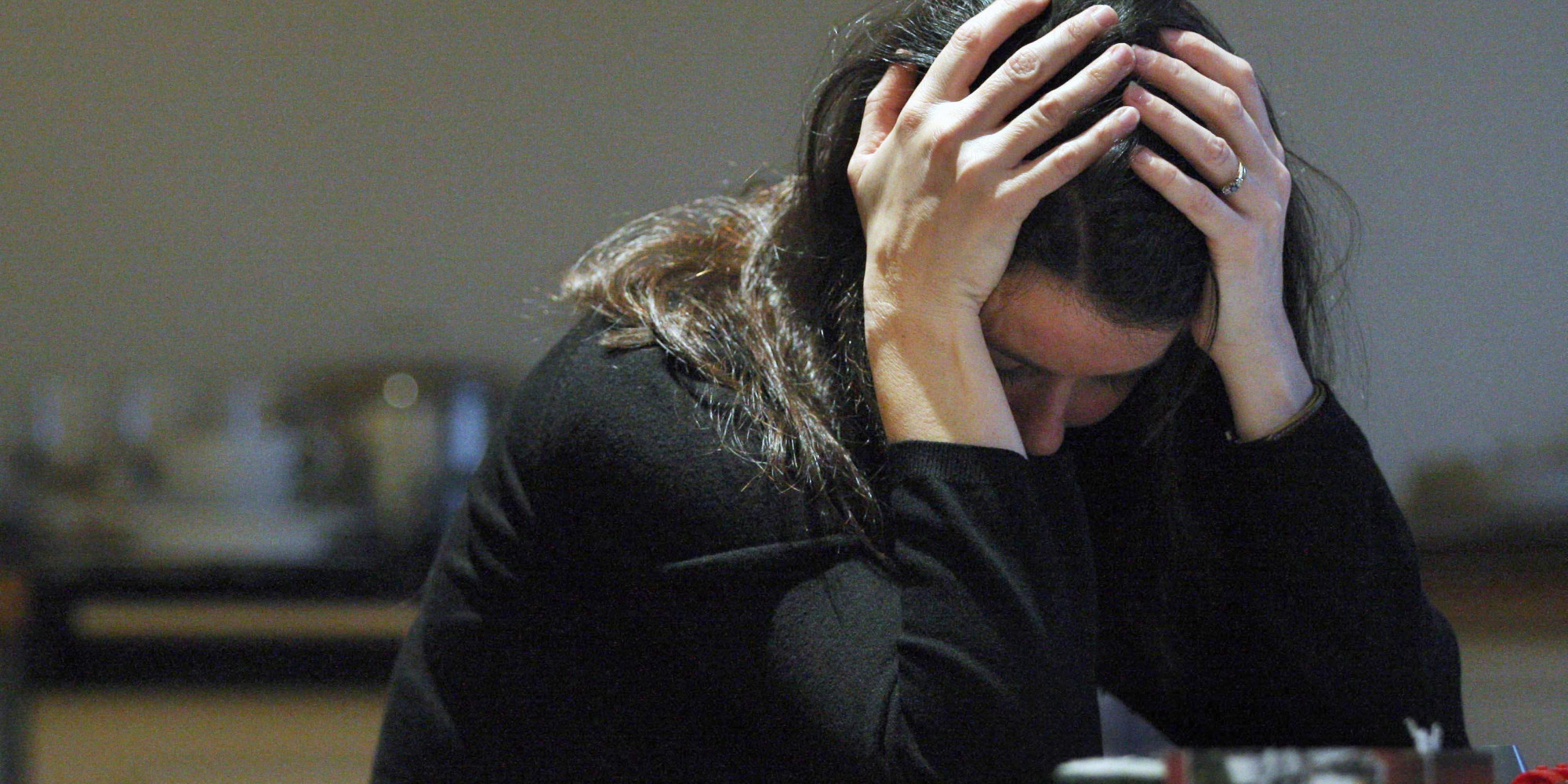 GYEEDA: A Ticking Mental Health Time-bomb?
A REVIEW: “Jobless youth are 'public health time bomb' [in Britain], says WHO; and “Most Mental Cases [in Ghana] are 'Wee' Related’, Frank Kwesi Arhin of the Accra Psychiatric Hospital, has noted
ABSTRACT
“Persistent high levels of the number of young people over 18 not in employment, education or training is storing up a public health time bomb waiting to explode,” the World Health Organization (WHO), had warned the British Government. James Gallagher [1], BBC Health and science reporter, reports of the health consequences of high numbers of Neets - people not in employment, education or training. The report states that more than one million 16 to 24-year-olds in the United Kingdom are classed as Neet and that the UK was behind other European countries on female life expectancy, deaths of children under five and child poverty. Professor Sir Michael Marmot who led the review is quoted to have said among others: "We are failing too many of our children, women and young people on a grand scale. "I would say to any government that cares about the health of its population: look at the impact of their policies on the lives people are able to lead and, more importantly, at the impact on inequality."Health inequality, arising from social and economic inequalities, is socially unjust, unnecessary and avoidable, and it offends against the human right to health." In Ghana, Daily Guide report [2] quotes Mr Arhin of Accra Psychiatric Hospital, as noting that “the daily mental cases reported at the facility are Indian hemp (wee) smoking related”. With many of our youthful population associated with Indian hemp use; and the number of them affected by mental health and armed-robbery, the issue is, where does Ghana stand?
INTRODUCTION
The background to the National Youth Employment Program (NYEP)(2006); hereafter- Ghana Youth Employment and Entrepreneurial Development Agency (GYEEDA), was set up to offer socio-economic hope to our youth. The Preamble to the Constitution of the World Health Organization as adopted by the International Health Conference, New York, June 19-22 1946; signed on 22 July 1946 by the representative of 61 States, and entered into force on 07 April 1948, define s health as a state of complete physical, mental and social well-being and not merely the absence of disease or infirmity. (Official Records of the World Health Organization, no. 2, p100)[3]. It is from these that WHO and the University College London Institute of Health Equity analysed the differences in life expectancy across Europe. In the UK; it highlighted the dangers of young people being out of work or wealth, as tightly linked to life expectancy and is one of the major reasons for the north-south health divide in the UK. “Being unemployed has immediate health [perils], including an increased risk of depression and suicide and in the longer term, increases the risk of chronic diseases such as cancer, heart disease and stroke.”
COMMENTARY
According to UN definition, youth, [subject to regional specification], are people between 15 and 24 years of age. In Ghana; we guess, the age bar is pegged at 39. Young people between the ages of 15-24 represent approximately 18% of the global population, nearly 1.2 billion people. The following are the breakdowns representing the regional youth population: 87% of youth live in developing countries- 62% in Asia and with some 17% of youth living in the Africa continent. In the words of the United Nations Programme on Youth (UNPY)- a part of the United Nations’ Secretariat with the explicit mandate to address youth issues, as members of societies, youth deserve full access to: Education; Adequate healthcare; Employment; Financial services and Participation in public life. “Recognition of their unique perspectives and contributions must be taken into account in order for youth to fully realize their potential and for governments to fulfill human rights obligations and democratic principles.” [4]
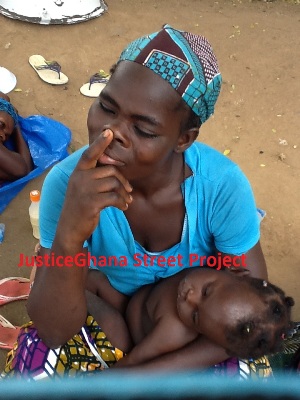 It is for these reasons that news heading such as: ‘Most mental cases are 'wee' related’, coined out from a disclosure at a community forum at Korle Gonno, organised by a non-governmental organization- Vision for Alternative Development (VALD), to educate the pupils from St Michael, Nanka Bruce, Hijaz and the Methodist Basic Schools in the area on the harmful effects of tobacco use, needs further inquiry. Whereas globally; these findings had been accepted as some of the causes of mental health disorders among most young person, the teeming youth joblessness in Ghana, worth further investigation. Although a sizeable number of youth groups such as the kaya-yees, the shoe-shine boy and girl, not forgetting many under-age children, struggling on our highways and streets with their pure water sachets and other glossaries, are said to have cart a prosperous future for themselves and families, their meager earnings might weigh little if nothing on the health scale. For example, if they were to fall sick or involved in any form of accident they are likely to be incapacitated forever due to their perceived low social status: lack of education or training and poverty- often associated with health inequalities.
The Public Health [5] states that health inequalities are often observed along a social gradient- meaning; the more favourable our social circumstances such as income or education, the better your chances of enjoying good health and a longer life. “While there is a significant gap between the wealthy and the poor, the relation between social circumstances in health is in fact a graded one.” At the Korle Gonno forum; whereas Mr Abdul Razak Ali of VALD, observed that tobacco use could be linked to dreadful diseases such as heart diseases, lung, oral and throat cancers, respiration diseases, infertility, poverty and death. Mr Arhin said that in Ghana, research has showed that male users of the substance lost 13 years out of their lifespan while females lost 14 years. But it must be noted that youth joblessness, also poses a health threats and inequalities, among youthful population too. In UK; Prof Sir Michael Marmot, who led the WHO report review on youth joblessness and mental health, had hinted that: "Unemployment may be falling in the UK, but persistent high levels of the number of young people over 18 not in employment, education or training is storing up a public health time bomb waiting to explode." [1]
According to the BBC report [1]; the length of the fuse, is thought to be 10 to 20 years. In Ghana; and as part of JusticeGhana Rural and Urban Travels Research Projects, we physically observed massive health inequalities among the street mental health patients many of whom were identified to be below the age of 40. According to Public Health; health inequalities are preventable and unjust difference in health status experienced by certain population group. “People in lower socio-economic groups are more likely to experience chronic ill-health and die earlier than those who are more advantaged. Health inequalities are not only apparent between people of different socio-economic groups- they exist between different genders and different ethnic groups.” [5] According to UNPY, investing in youth will yield not only long-standing returns for national and global development; and as an investment in human capital; but will also prevent many future problems such as school drop-outs and juvenile delinquency. Youth joblessness can also lead to gang violence- including armed robbery and high levels of mental disorders.
In an article “Gang violence cause of high levels of mental disorders”, the BBC [6]: quotes Dr Charlie Alcock- a clinical psychologist and chief executive officer of the MAC-UK- a charity based in London, that targets the mental health needs of youth aged 16 to 25 involved in gangs and antisocial behaviour in a novel way as saying: youth offending is a public mental health issue that requires a different approach. "We support young people by taking mental health on to the streets and working with them in a place which is convenient and comfortable for them. "We believe one in three young people has an unmet mental health need [that] can range from stress and anxiety to hearing voices and more serious forms of psychosis.” The research surveyed 108 gang members and found that half had an anxiety disorder, more than 85% a personality disorder and 25% screened positive for psychosis. Exposure to violence is seen as the likely cause of youth mental health problems and opportunities to help them were often missed.
Although “Youth”; according to the United Nations Educational, Scientific and Cultural Organization (UNESSCO)[7], is best understood as a period of transition from the dependence of childhood to adulthood’s independence and awareness of our interdependence as members of a community, the term youth is also understood as a more fluid category than a fixed age-group. However, age is the easiest way to define this group, particularly in relation to education and employment. Therefore “youth”, in the words of UNESSCO, is often indicated as a person between the age where she/he may leave compulsory education, and the age at which s/he finds his/her first employment. This latter age limit, as the UNESSCO research findings put it, has been increasing, as higher levels of unemployment and the cost of setting up an independent household puts many young people into a prolonged period of dependency.
“All UN statistics on youth are based on this definition, as illustrated by the annual yearbooks of statistics published by the United Nations system on demography, education, employment and health. For activities at the national level, for example when implementing a local community youth programme, “youth” may be understood in a more flexible manner. UNESCO will then adopt the definition of “youth” as used by a particular Member State. It can be based for instance on the definition given in the African Youth Charter where “youth” means “every person between the ages of 15 and 35 years” [7]. In 2013, the International Labour Organisation (ILO) estimated that 73.8 million youth were unemployed globally and the slowdown in economic activity is likely to push another half-million into joblessness by 2014. [6] The ILO’s report- Global Employment Trends 2014: The risk of a joblessness recovery; emphasises that the weak global economic recovery has failed to lead to an improvement in global labour markets, with global unemployment in 2013 reaching almost 202 million [8].
According to ILO; currently, 74.5 million youth under the age of 25 are jobless, representing a global youth unemployment rate of over 13% – over two times more than the overall global unemployment rate. In developing countries, it is said that informal employment remains widespread and that the pace of improvements in job quality is slowing down as fewer people are walking out of working poverty. In 2013, the number of workers in extreme poverty – living on less than $ 1.25 a day – declined by only 2.7% globally, one of the lowest rates over the past decade, with the exception of the immediate crisis years. In the words of the world’s organization, global recovery in labour markets is being held back by a deficit of aggregate demand. “In many developed economies, harsh reductions in public spending and hikes in income and consumption taxes weigh heavily on private businesses and households. In addition, a lack of policy coordination between monetary and fiscal policies has substantially increased labour market uncertainty, with employers often reluctant to hire or make long-term investments.” [9]
The cited verifiable examples here are Spain and Greece; where Ekkehard Ernst- the main author of the report and head of the Employment Trends Unit at the ILO Research Department, said: jobseekers need twice as much time before landing a new job than before the crisis. “With 23 million people estimated to have dropped out, it is imperative that active labour market policies be implemented more forcefully to address inactivity and skills mismatch,” said Ernst. The unemployment data on Ghana remains speculatively, scant and myth- relying only on the media report on cases of armed-robbery; illegal diamond or gold mining (galamsey) among the youth, not forgetting the headcount of the number of young people engaged in street hawking and the glaring street prostitutions among “the child girls” which could arguably, also form the basis of the informal sector mentioned in the ILO 2014 report?
The ILO report [9] on Sub-Saharan Africa is that paid employment opportunities are scarce and the vulnerable employment rate, scaled at 77.4% in 2013, remained the highest of all regions. JusticeGhana argues that if Ghana’s energetic youth could defy all odds to destroy their cherished cultures and traditions- deplete the environment and the ecology- forestry, water bodies and repeatedly, gang themselves to violently rape and maim at gun-point, then the motives cannot always be criminal. It is found that gang members and the violent men could be particularly prone to mental disorders and more likely to access psychiatric services. Prof Jeremy Coid, lead study author and director of the forensic psychiatry research unit at Queen Mary, University of London, states: "It is probable that, among gang members, high levels of anxiety disorder and psychosis were explained by post-traumatic stress disorder (PTSD), the most frequent psychiatric outcome of exposure to violence." The fear of future violence and victimisation [including employment uncertainties?] led young men to experience extreme anxiety [6].
Of the 108 gang members surveyed, the study also found that around a third had attempted suicide. The authors said this could be “linked to the notion that impulsive violence may be directed both outward and inward". Andy Bell, deputy chief executive of the Centre for Mental Health, is quoted as saying that they had carried out their own research in this area and found very high rates of multiple health and social issues in both boys and girls in gangs. "It is very clear they have numerous problems throughout their lives, often related to drug, alcohol problems and maltreatment at home - and they all contribute to poor mental health.” So in offering street therapy Prof Coid agrees that healthcare professionals should be aware of gang membership when assessing young men with psychiatric illnesses in urban areas. The study says that although just 1% of 18- to-34 year-old men in Britain are gang members, in areas such as Hackney this rises to around 8.6%. Yet the average age of gang membership can be as low as 15, it adds.
 Notwithstanding various youth unemployment interventions such as Jobcentres and Connexions, most Black youth in the UK talks of “system failure.” Whereas this comparable data is again unavailable in Ghana, the case of child-girl prostitution had been found to be alarming as far back in 2005. In his article “Poverty in Ghana driving children into prostitution”; Prue Clarke [10], painted a disturbing picture about Ghana on an Australian online media- ABC: poverty is driving a growing number of children such as a fifteen-year-old Ama, whose father left their impoverished village when her mother died in childbirth. Ama ended up in the streets of Accra due to the inability of her grandmother to support her and other three siblings. “Without money or a job most of those children are eventually forced into prostitution. That influx of desperate children is earning Ghana a reputation on paedophile websites as a safe destination for child sex. Child protection groups worry that the country could become the next Thailand… A friend of Ama's went with a man two weeks ago, and Ama hasn't seen her since. Ama doesn't know whether her friend is alive or dead.” The ‘child-girl’ prostitution is rife in Ghana.
Melissa Farley [11] writes that prostitution has much in common with other kinds of violence against women. “There has been far more clinical attention paid to sexually transmitted diseases (STDs) among those prostituted than to their depressions, lethal suicidality, mood disorders, anxiety disorders (including posttraumatic stress disorder) dissociative disorders and chemical dependence.” Regardless of its status (legal, illegal or decriminalized) or its physical location (strip club, street, escort/home/hotel...), prostitution is extremely dangerous for women and homicide is a frequent cause of death.”[12] As at 2005, the growing poverty was said to have tripled the number of children living on the streets of Ghana to 20,000 with some 6,000 babies living on the streets of Accra (10). The WHO says mental health problems such as depression account for nearly half of all disability among young people between the ages of 10 and 24. [13] So if “weed use” could not be the main cause of worry what must GYEEDA do?
CONCLUSION
In the UK, a Government spokesperson had said that health inequality among young people was taken "very seriously" and that as last year, the Government saw a reduction of 100,000 children in workless poor families and in addition is training an extra 4,200 health visitors by 2015, and 16,000 of the most vulnerable families will be helped by family nurses." JusticeGhana advocates a bottom-up job/mentoring policy that subsides the wage-bill at the apex of governance; to serve as a subvention to commerce and industries to employ willing/able jobless youth at a reasonably discounted wages and salaries, thereby defusing the mental health time-bomb and growing disabilities among the Ghana’s youthful population.
Compiled By Gina Kuukua Amokwa-Fordjour & Asante Fordjour for The OmanbaPa Street Project JusticeGhana
JusticeGhana
……………………………
References
1. James Gallagher, Jobless youth are 'public health time bomb', says WHO, BBC 30 October 2013
2. ‘Most mental cases are 'wee' related, Daily Guide Ghana, http://www.dailyguideghana.com/most-mental-cases-are-wee-related/, 05 December 2013
3. WHO definition of Health, http://www.who.int/about/definition/en/print.html, accessed, 11 February 2014
4. What is Youth, http://social.un.org/youthyear/docs/UNPY-presentation.pdf, accessed, 11 February 2014
5. What are health inequalities? Public Health, ( www.publichealth.ie/healthinequalities/healthinequalities, date accessed, 11 February 2014
6. Gang violence cause of high levels of mental disorders, www.bbc.co.uk/news/health-23275139, 12 Jul 2013, accessed, 11 February 2014
7. What do we mean by “youth”? http://www.unesco.org/new/en/social-and-human-sciences/themes/youth/youth-definition, accessed, 11 February 2014
8. Ben Stansall / AFP, Weak economic recovery does not extend to jobs, http://www.ilo.org/global/research/global-reports/global-employment-trends/youth/2013/lang--en/index.htm, 11 February 2014
9. Global Unemployment: Trends across regions, http://www.ilo.org/global/research/global-reports/global-employment-trends/2014/WCMS_233931/lang--en/index.htm, date accessed, 12 February 2014
10. Prue Clarke, “Poverty in Ghana driving children into prostitution”, http://www.abc.net.au/pm/content/2005/s1481873.htm, 13 October 2005, accessed 11 February 2014
11. Melissa Farley, PhD, Prostitution Is Sexual Violence http://www.psychiatrictimes.com/sexual-offenses/prostitution-sexual-violence, accessed, 12/02/2014
12. Potterat et al., (2004)[11].
13. Anne Harding, “Mental Illness Leading Cause of Disability in Youth”, http://news.health.com/2011/06/06/mental-illness-disability/ 06 June 2011, accessed, 11 February 2014
Government to introduce ‘free SHS’ in 2015/2016 academic year
- Details
- Category: The NoticeBoard
- Created on Tuesday, 25 March 2014 00:00
- Hits: 5812
 Government to introduce ‘free SHS’
President John Mahama has announced the abolishing of fees in Day Senior High Schools by 2015/1016 academic year.
The measure, he said is in accordance with his government’s plan to progressively introduce free senior high education in the country. He was delivering his second State of the Nation Address to Parliament Tuesday.
The address was initially scheduled to be delivered last Thursday but was postponed to today. The announcement of the plans to abolish fees at senior high schools attracted loud cheers and jeers in equal measure from both sides of the House.
Minority Members of the House jeered while the Majority side cheered the president on. Free SHS was the signature campaign promise of the Presidential Candidate of the opposition New Patriotic Party (NPP), Nana Addo Dankwa Akufo-Addo in the 2012 presidential election.
The promise was viscerally attacked by the governing National Democratic Congress as unrealistic and deceptive and designed to win votes. The President in response to the NPP’s campaign said he would build 200 community-based day senior high schools and improve access to secondary education.
After that, he promised, government would make secondary school education progressively free.
Addressing Parliament Tuesday, February 25, 2014, the President said the Ministry of Education had “prepared a roadmap for the progressive introduction of free secondary education in Ghana as required by constitution.”
Touching on the promise to build 200 day schools (50 every year starting from 2013), Mr. Mahama said the project on track even it has been delayed for a year.
Source: Myjoyonline.com
Families hope 'Frankenstein science' lobby will not stop gene cure for mitochondrial disease
- Details
- Category: Youth News
- Created on Saturday, 15 February 2014 00:00
- Hits: 5049
 Families hope 'Frankenstein science' lobby will not stop gene cure for mitochondrial disease
Change to IVF rules could make Britain the first country to allow therapy to change DNA in embryos
Robin McKie, science editor
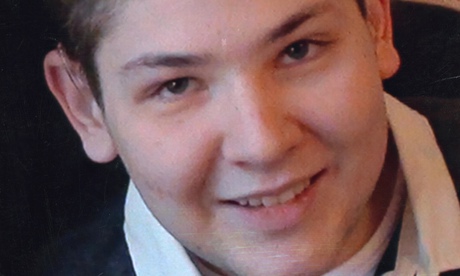
Deniz Safak was five years old when he first displayed symptoms of the disease that would later take his life. "He started being sick and had intense, stroke-like seizures," his mother, Ruth, recalled.
Doctors were baffled by the boy's condition and it took months before a diagnosis was made. Ruth and her husband, Erdhal, were told that Deniz was suffering from mitochondrial disease, an incurable condition that is passed from mother to child and can often be fatal.
{sidebar id=12 align=right}Deniz's condition continued to worsen. By the time he died last year at the age of 23, he had become deaf, suffered intense migraines and was confined to a wheelchair. "That is how he spent his life at the end," said Ruth, who lives in Sunderland. "He was very bright and he knew what he was missing from life." There is no cure for mitochondrial disease and, although its symptoms vary in their severity, the condition is often fatal. Health officials estimate that there are several thousand people in Britain affected by the condition, which is caused by mutations in the DNA in the mitochondria, which exist inside the cells of their bodies.
"Mitochondria are the little power packs that provide our cells with energy and they have their own DNA," said Professor Douglas Turnbull, director of the Wellcome Trust Centre for Mitochondrial Research at Newcastle University. "The disease particularly affects cells that use a lot of energy, including those involved in hearing, pumping blood and firing nerves. About a third to a half of those who have the condition face an early death."
It is a grim scenario. However, hopes of tackling mitochondrial disease will be raised in a few weeks when the government announces regulations that will permit the use of an IVF technique that should rid affected families of the disorder. If these plans are approved by parliament, Britain will become the first nation to permit germ-line gene therapy, which will change the DNA of future generations in order to eradicate the condition.
The technique involves taking an egg with healthy mitochondria from a donor female. Its main set of nuclear genes is then scooped out and replaced with those of a woman affected by mitochondrial disease but whose basic nuclear DNA is healthy. The egg is then fertilised using her partner's sperm. In this way an embryo is created that has the central genes of the two parents but no longer carries the mutated mitochondrial DNA once carried by the mother. The technique is known as mitochondrial replacement. It has never been tried on humans, but has worked in animal studies.
Most scientists and doctors, particularly those who work with families touched by mitochondrial disease, support the introduction of the technique. However, some groups vociferously oppose its use. "The social benefits for a relatively small number of women … do not come near to justifying the potential health risks from these techniques to the child and the risks to global society that stem from human genetic engineering," said the campaign group Human Genetics Alert.
Anti-abortion groups also oppose mitochondrial replacement, while some tabloid newspapers have described the creation of embryos using the nuclear DNA of two parents and the mitochondrial DNA of a third-party donor as "three-parent babies" and have claimed that this represents a slippery slope to a "Frankenstein future".
This last claim particularly infuriates researchers. "It is wrong to say this produces three-parent babies," said Turnbull. "More than 99.9% of DNA is nuclear DNA and that will not be affected. Mitochondrial DNA accounts for around 0.1% of our total DNA. We are changing only mitochondrial DNA. We are not changing a person's hair or height or eye colour."
The potential of mitochondrial replacement is demonstrated through another of Turnbull's patients: Marie Austen, also from Sunderland. Her son, Adam, was seven when he was diagnosed with mitochondrial DNA disease. His heart was subsequently found to have been damaged but, before he could have a transplant, Adam's condition worsened and he died last year at the age of 13. "I wanted to see Adam grow up, but that has been taken from me," said Marie.
Austen has another child, a daughter, who at present has no symptoms. However, the disease varies in the severity of its symptoms as it passes from generation to generation. This poses problems for Marie's daughter. "One day she may want to have her own kids, but she will not be able to have them safe in the knowledge that this disease will not kill them when they are young. That is why I want this new technique to be given the go-ahead, so my daughter will have healthy mitochondria and can have children who will not die when they are teenagers, as her brother Adam did."
The disease is passed through the maternal line because men do not pass on mitochondrial DNA to future generations. Only women do that. However, the mutated versions do so with unpredictable consequences. Both Ruth and Marie have severe hearing problems, for example. However, the version picked up by their sons was far worse in its effects.
Last year the Human Fertilisation and Embryology Authority (HFEA) completed an extensive public consultation on mitochondrial replacement and found widespread support for it. Now the proposed regulations that will allow it to be carried out, under licence from the HFEA, are to published. Interested parties will give their views on these regulations before they are debated by parliament, probably on a free vote, later this year.
Alison Murdoch, professor of reproductive medicine at Newcastle University,hopes that parliament will approve the new regulations – though she is only cautiously hopeful. "This is controversial in some people's eyes and there will be attempts to block the regulations. My fear is that the government could still get cold feet and delay the vote, which would not be good news given we will have a general election next year.
"The trouble is that the people who oppose this work are much better organised and proactive than the people that actually need the treatment," Murdoch said. "They claim that around 30% of the population is against this kind of medical intervention. But when you actually sit down with a group of people and explain what you want to do, they all say the same thing: why not?"
Ruth Safak will also be watching the forthcoming battle over the implementation of mitochondrial replacement therapy. She is passionately in favour of the procedure. "When you lose a child, there is not enough time to get over it. This thing wipes out your life. The point is that if this treatment had become available for me when I was beginning my family, I could have had Deniz and he would still be with me now."
Source: The Guardian UK